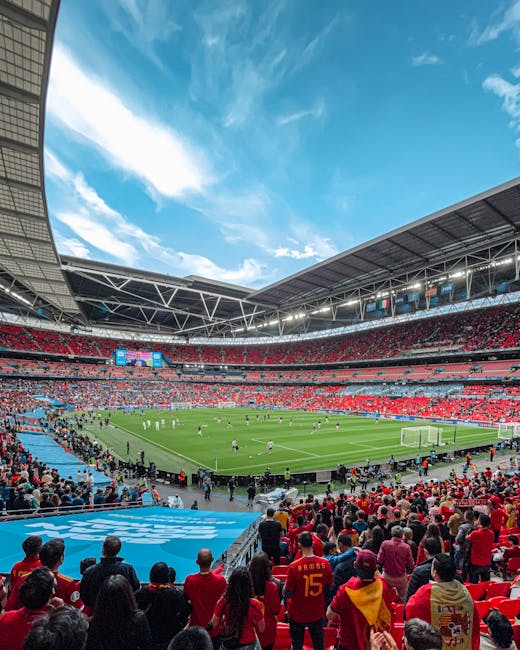
Wembley Stadium cleaning guide for event day venues
Event day cleaning at a venue the size of Wembley is never just about making things look nice. It is about moving fast, staying safe, keeping walkways clear, and making sure thousands of people can arrive, enjoy the event, and leave without the place feeling chaotic afterwards. A good Wembley Stadium cleaning guide for event day venues should help you think beyond mops and bins. It should help you plan zones, staffing, timing, waste flow, toilet resets, spill response, and the awkward little moments that always happen when crowds surge through at once.
Truth be told, the best cleaning plans for stadium events are the ones that feel almost invisible to the public. People notice the shine on a concourse floor, the smell of a fresh toilet block, or the absence of litter. They do not notice the crew who quietly handled a drink spill in 90 seconds flat. This guide is built around that reality, with practical steps you can actually use before, during, and after an event day.
Table of Contents
- Why Wembley Stadium cleaning guide for event day venues matters
- How Wembley Stadium cleaning guide for event day venues works
- Key benefits and practical advantages
- Who this is for and when it makes sense
- Step-by-step guidance
- Expert tips for better results
- Common mistakes to avoid
- Tools, resources and recommendations
- Law, compliance, standards, or best practice
- Options, methods, or comparison table
- Case study or real-world example
- Practical checklist
- Conclusion
- Frequently Asked Questions
Why Wembley Stadium cleaning guide for event day venues Matters
A stadium event is a pressure test. Guests arrive in waves, concessions get busy, weather changes by the hour, and one careless spill can become a slip hazard in seconds. That is why event day venue cleaning is not a background task; it is part of crowd management, health and safety, and the overall visitor experience.
At a venue like Wembley, the stakes feel even higher because the footprint is huge and the movement patterns are complicated. Concourse areas, seating bowls, toilets, hospitality spaces, loading areas, external walkways, and back-of-house corridors all need different treatment. If you clean everything the same way, you waste time. If you clean nothing in a structured way, things get messy fast. Simple as that.
There is also the reputational side. A spotless venue says the operation is under control. A sticky floor, an overflowing bin, or a toilet queue next to an untidy washroom sends the opposite message immediately. People may not articulate it, but they feel it.
If you are comparing broader cleaning support for event spaces, it can also help to understand how a professional cleaning company approaches planning, staffing, and quality checks across busy premises.
Expert summary: Event day cleaning works best when it is treated as a live operation, not a one-off tidy-up. The venue stays safer, the guest experience improves, and the team spends less time reacting to avoidable problems.
How Wembley Stadium cleaning guide for event day venues Works
Good event day cleaning runs in phases. In practice, that means pre-event preparation, live service cleaning during the event, and post-event recovery once the crowd has gone home. Each phase has a different goal.
Pre-event is about readiness. Floors are cleaned, toilets are stocked, touchpoints are sanitised, waste stations are placed correctly, and any known trouble spots are flagged. You do not want to discover a missing bin liner when the first crowd wave hits. That is the sort of thing that sounds small until it becomes everybody's problem.
Live cleaning is where the real discipline shows. Teams patrol assigned zones, clear waste, respond to spills, replenish consumables, and keep toilets functioning. This is not a job for vague instructions. It needs route plans, radio contact, and a clear escalation line for anything that looks like a hazard.
Post-event is the recovery stage. Waste is collected, floors are scrubbed, fixtures are reset, stain spots are treated, and the site is brought back to baseline for the next use. For busy venues, this often needs to happen in a narrow window, so the sequencing matters more than people expect.
For teams handling intensive turnaround work, services such as deep cleaning can be useful when a venue needs more than surface-level maintenance after repeated use.
In real life, the process often feels a bit like a relay race. One team sets the stage, another keeps it usable, and another clears the aftermath. If one baton drop happens, the whole system feels it. Not ideal, obviously.
Key Benefits and Practical Advantages
When event day cleaning is planned properly, the benefits are immediate and very visible. Here are the main ones.
- Better guest experience: Clean toilets, clear floors, and tidy seating areas reduce complaints and improve comfort.
- Lower slip and trip risk: Spill response and waste control help prevent avoidable accidents.
- Faster turnover: A structured schedule makes it easier to reset areas quickly between use periods.
- Less strain on staff: Clear responsibilities reduce confusion and duplicated work.
- Stronger hygiene control: High-touch surfaces, washrooms, and food-adjacent areas stay more manageable.
- Better presentation for partners and VIP areas: Hospitality spaces often carry extra visibility and need a sharper finish.
There is also a quieter advantage: cleaner venues tend to age better over time. Dirt builds up slowly in corners, along skirtings, at flooring joints, and around busy entry points. Keep on top of it and you reduce the need for heavier recovery work later. That is not glamorous, but it saves headaches.
For hard-wearing public areas, hard floor cleaning is especially relevant because concourses and circulation routes tend to show grime quickly under heavy footfall.
Who This Is For and When It Makes Sense
This guide is useful for venue managers, event organisers, facilities teams, cleaning supervisors, hospitality operators, and contractors working in large-capacity spaces. It also helps production teams who inherit cleaning responsibilities as part of a venue hire agreement. That happens more often than people think.
You will get the most value from this approach when:
- the event has high footfall and short changeover times
- food and drink sales are involved
- toilet usage will spike sharply
- there are multiple zones with different access levels
- weather may create mud, moisture, or litter issues
- the venue has premium hospitality areas or branded spaces
- you need to maintain standards without interrupting the event
If the task is smaller but still time-sensitive, a one-off cleaning arrangement may be enough for a specific event, while larger or recurring operations usually need a more formal plan.
In our experience, the biggest gap is often not effort. It is coordination. A crew may be hardworking and still struggle if the instructions are unclear. So be fair to the team: the cleaner cannot fix a planning problem they were never given enough detail to solve.
Step-by-Step Guidance
1. Walk the venue before the event
Start with a proper site walk. Look at entrances, exits, toilets, concourses, kitchens, hospitality zones, seating access points, and any external areas where litter or mud can gather. Notice where queues will form and where people are likely to stop. These are your pressure points.
It helps to write notes by zone rather than by task. For example, "North entrance: litter, glass risk, matting, bin point, crowd bottleneck" is more useful than a generic "clean entrance."
2. Build a zone-by-zone cleaning map
Assign each area a cleaning frequency and a named owner. High-traffic toilets may need hourly checks. Food outlets may need continuous waste removal. VIP areas may need a different presentation standard. The key is that everyone knows what "good" looks like in their zone.
3. Set up the right equipment before doors open
Prep your kit early: bins, liners, cloths, disinfectant, floor machines, absorbent granules, warning signage, toilet paper, soap, hand towels, PPE, and spare consumables. If your team keeps going back to a central store, you are burning time.
4. Use live patrols during the event
Live patrols should be calm, visible, and efficient. Teams should clear visible waste, check toilet levels, handle spills, and keep touchpoints tidy. They should also know when to pause and escalate. A broken dispenser, blocked drainage point, or glass incident should not be treated like ordinary litter.
5. Prioritise toilets and washrooms
Washrooms are always the test. If they look and smell clean, people tend to relax. If they are understocked or damp, the whole venue feels less cared for. Keep an eye on bins, sinks, mirrors, floors, and high-touch surfaces. Moisture control matters too.
6. Reset hospitality and food-adjacent areas
These spaces need a different mindset. Tables, counters, soft furnishings, and flooring may need spot checks as well as deeper attention after service periods. If drinks spill on upholstered seating, you cannot just wipe and hope. That is how odours linger.
Where fabric surfaces are involved, upholstery cleaning and sofa cleaning can help with stains, marks, and general presentation in VIP lounges or premium seating lounges.
7. Clear waste in a controlled loop
Do not wait for bins to overflow. Once waste handling becomes visible to guests, it starts to feel like the venue is losing control. Use scheduled removal loops and make sure replacement liners are ready. If your waste route crosses public areas, plan it carefully.
8. Finish with a documented post-event clean
After the crowd leaves, shift into recovery mode. Empty bins, clean floors, disinfect touchpoints, remove debris from corners, and inspect hidden areas where bottles, packaging, or food debris may have gathered. This is also the time to note any damage or unusual build-up for the next job.
Expert Tips for Better Results
Small details make a huge difference on event day. A few practical tips from the field:
- Colour-code cloths and mops by area so you do not cross-contaminate toilets, food spaces, and general public zones.
- Use clear handover notes between shifts. A five-minute briefing can prevent two hours of confusion.
- Keep a spill response kit visible but not in the way. When a drinks spill happens, speed matters.
- Check corners and thresholds because litter loves to drift there.
- Plan for weather even in summer. A wet crowd track-in can surprise you by half-time.
- Put your best people on your hardest zone, not just your nicest zone. The busiest entry point usually needs the sharpest eye.
A slightly odd but true thing: the cleanest venues usually have the best habits, not just the biggest budget. Routine beats heroics. Every time.
If your venue also needs periodic maintenance beyond event-day service, a specialist office cleaning or office cleaners arrangement may be useful for administrative and back-of-house spaces that stay in use between events.
Common Mistakes to Avoid
Event day cleaning failures are often predictable. The good news is that most of them are avoidable.
- Understaffing the busiest zones: One cleaner covering three bottlenecks is not a plan.
- Ignoring toilet refresh cycles: Toilets do not clean themselves, annoyingly enough.
- Waiting too long to clear waste: Overflowing bins create odour, mess, and a poor impression.
- Using the wrong product on the wrong surface: Some finishes need gentle treatment, not heavy chemicals.
- No spill escalation process: Every wet patch should have an owner and a timeframe.
- Poor communication between shifts: The next team should not have to guess what happened before they arrived.
- Forgetting back-of-house areas: Staff corridors, loading spaces, and storage rooms can become just as messy as public areas.
One of the most common issues is assuming "clean enough" is enough for the whole venue. It rarely is. A concourse may look fine while a nearby washroom is already failing. That mismatch is where complaints start.
Tools, Resources and Recommendations
For a stadium-scale venue, the cleaning kit needs to be practical, durable, and easy to replenish. You do not need fancy jargon. You need tools that work under pressure.
| Tool or resource | Best use | Why it helps |
|---|---|---|
| Microfibre cloths and colour-coded mops | High-touch areas, toilets, spill control | Reduce cross-contamination and speed up visual checks |
| Wet vacuum or extraction unit | Large spills and damp patches | Removes moisture quickly and lowers slip risk |
| Floor machine or scrubber dryer | Concourse and hard floor recovery | Keeps large areas presentable without endless manual work |
| Spill kits | Fast response to drinks, food, or weather-related mess | Shortens response time when it matters most |
| Closed-lid waste bins | Public areas and entrances | Improves hygiene and presentation |
| Checklists and zone logs | Shift tracking and handover | Helps supervisors see what has been done and what still needs attention |
If your event schedule is intense and the reset window is short, a team with experience in after builders cleaning can sometimes bring useful heavy-duty recovery habits, especially where dust, residue, or post-installation debris is part of the setup.
For long-term planning, it is also worth thinking about how the cleaning operation fits with your wider maintenance and sustainability goals. A good recycling and sustainability approach can support better waste segregation and reduce avoidable landfill disposal where the venue's arrangements allow it.
Law, Compliance, Standards, or Best Practice
For event venues in the UK, cleaning is not just about appearance. It connects to health and safety duties, slip prevention, waste handling, and sensible site management. You should always follow your own venue procedures, risk assessments, method statements, and any relevant local requirements. If in doubt, get the paperwork checked rather than guessing. Guessing is rarely a great compliance strategy.
Best practice usually includes:
- clear risk assessments for cleaning tasks and wet-floor work
- proper PPE where needed
- safe use, storage, and labelling of cleaning products
- documented spill response procedures
- supervision for public-facing and high-risk areas
- appropriate waste segregation and disposal arrangements
- accessible routes kept clear for guests and staff where required
From an operational point of view, it also makes sense to check that your cleaning provider carries suitable protections and follows a robust safety process. You can review a provider's health and safety policy and insurance and safety information before you commit. That is not just paperwork. It is peace of mind.
For contract clarity, payment terms, scope, and service expectations, it helps to understand the provider's terms and conditions and pricing and quotes process before event day is anywhere near you.
Options, Methods, or Comparison Table
Not every venue needs the same cleaning model. Here is a simple comparison to help you choose the right one.
| Method | Best for | Strengths | Limitations |
|---|---|---|---|
| Pre-set cleaning only | Very short events with low turnover pressure | Simple to schedule and budget | Does not handle live mess well |
| Live cleaning patrols | Busy stadium events with continuous guest movement | Keeps spaces usable throughout the event | Needs coordination and staffing discipline |
| Post-event deep recovery | Heavy-use days or back-to-back fixtures | Restores the venue properly after the crowd leaves | May require a larger time window |
| Hybrid model | Most event day venues | Balances presentation, safety, and responsiveness | Needs a clear zone plan and strong supervision |
In practice, the hybrid model is usually the safest bet. It gives you a clean start, a controlled live response, and a proper finish. That balance matters more than people realise.
Case Study or Real-World Example
Picture a match day with heavy rain in the afternoon and a full crowd arriving in waves. The external entrances become damp almost immediately, with muddy footprints tracking into the first indoor matting zone. At the same time, food service ramps up and toilet use spikes. Nothing dramatic on its own, but the combined effect can get away from you quickly.
In a scenario like that, a strong cleaning plan would do a few simple things well. Entrances would be monitored closely, absorbent mats would be checked and refreshed, toilet patrols would run on a fixed cycle, and spill response would be immediate near concession points. The back-of-house team would also keep an eye on bins, because once people see waste sitting too long, perception drops fast.
What usually makes the difference is not some magical technique. It is timing. The crew that notices the first wet patch, the first bin gap, or the first queue build-up has already saved the rest of the shift a headache. Small win, big difference.
That same thinking applies to other large premises too, whether it is window cleaning for public-facing glass, or more routine turnover work in venues that need a reliable refresh between uses. Different surfaces, same principle: stay ahead of the mess, not behind it.
Practical Checklist
Use this checklist before and during event day cleaning operations.
- Confirm the event schedule, crowd size, and access windows
- Walk all public and staff zones before doors open
- Assign named cleaners to each zone
- Prepare spill kits, PPE, cloths, mop heads, and waste liners
- Check toilet stock: tissue, soap, hand towels, bins
- Test communication channels for supervisors and team leads
- Set patrol frequencies for toilets, concourses, and hospitality areas
- Mark any wet-floor or temporary hazard points clearly
- Keep a log of issues, restocks, and escalations
- Run a post-event sweep of hidden corners and back-of-house routes
- Inspect floors, fixtures, and fittings before sign-off
- Record anything that needs follow-up before the next event
If you want a little more structure around routine cleaning tasks beyond event days, you may also find it useful to look at carpet cleaning for soft flooring and carpet cleaner support when public areas need targeted refreshes.
Conclusion
A Wembley Stadium cleaning guide for event day venues is really a guide to control. Control the flow of waste, the pace of response, the standard of the toilets, the presentation of shared spaces, and the handover between shifts. Do that well and the venue feels calm even when it is busy. And that calm is worth a lot.
The best event day teams do not wait for a problem to become obvious. They notice early signs, move quickly, and keep the venue a step ahead of the crowd. It sounds straightforward because, in some ways, it is. But doing it well takes planning, discipline, and a bit of experience. That is the bit people cannot fake for long.
Get a free quote today and see how much you can save.
If you are planning cleaning support for a busy venue and want a team that understands the pressure of event-day work, it is worth speaking to a provider that can explain the process clearly and help you build a realistic plan. A steady hand on event day makes the whole operation feel easier, and honestly, that's what you want.
Frequently Asked Questions
What does event day venue cleaning include?
It usually includes pre-event preparation, live cleaning during the event, toilet checks, spill response, waste removal, touchpoint cleaning, and post-event recovery. The exact scope depends on the venue layout and crowd size.
How is stadium cleaning different from normal commercial cleaning?
Stadium cleaning is faster, more reactive, and more zone-based. You are dealing with sudden crowd surges, food waste, weather-related dirt, and very tight turnaround windows. Normal commercial cleaning is usually more predictable.
How often should toilets be cleaned on event day?
That depends on traffic, but busy toilets often need frequent live checks rather than a single scheduled clean. High-use blocks may need repeated attention throughout the event, especially at peak arrival and intermission times.
What is the best way to deal with spillages in a busy venue?
Have a clear spill response procedure, a ready kit, and trained staff who can act quickly. The goal is to isolate the area, remove the hazard, and restore the surface without creating a bigger disruption.
Do event venues need different cleaning products for different areas?
Yes. Toilets, food service areas, hard floors, upholstery, and glass can all need different products or methods. Using one product for everything is usually a bad shortcut.
How early should a cleaning team arrive before an event?
That depends on the setup, but most venues benefit from cleaning teams arriving well before doors open so the site can be checked, stocked, and signed off calmly rather than rushed.
What areas are most likely to be missed?
Corners, thresholds, behind barriers, under benches, back-of-house corridors, and bin points are common blind spots. They are easy to forget because they are not always in the line of sight.
Is post-event deep cleaning always necessary?
Not always, but it is often sensible after high-footfall events, wet weather, food-heavy service, or back-to-back use. If the venue is being handed over again quickly, a deeper reset can save time later.
How do you keep the cleaning operation from disrupting guests?
Use discreet patrols, clear signage where needed, quiet equipment where possible, and well-timed routines. Good cleaning should feel present but not intrusive. That balance matters more than most people think.
What should I ask a cleaning provider before an event?
Ask about staffing levels, zone planning, supervision, spill response, insurance, health and safety procedures, and how they handle live issues during the event. It is also smart to review their about us page so you understand the team behind the service.
Can event cleaning include carpets or soft furnishings?
Yes. If the venue has carpeted hospitality areas, lounges, or upholstered seating, targeted support such as rug cleaning and carpets cleaner services may be useful for specific recovery needs.
How do I get a quote for venue cleaning support?
You can request pricing information and a tailored estimate through the provider's pricing and quotes page. If you need to discuss a larger job, their contact us page is the natural next step.
Sometimes the simplest answer is the best one: plan early, clean in zones, and keep your response quick. Do that, and the whole day feels easier for everyone involved.